
This post may contain affiliate links which means we might earn a small commission if you decide to make a purchase through them (at no extra cost to you). Need more info? Click Here
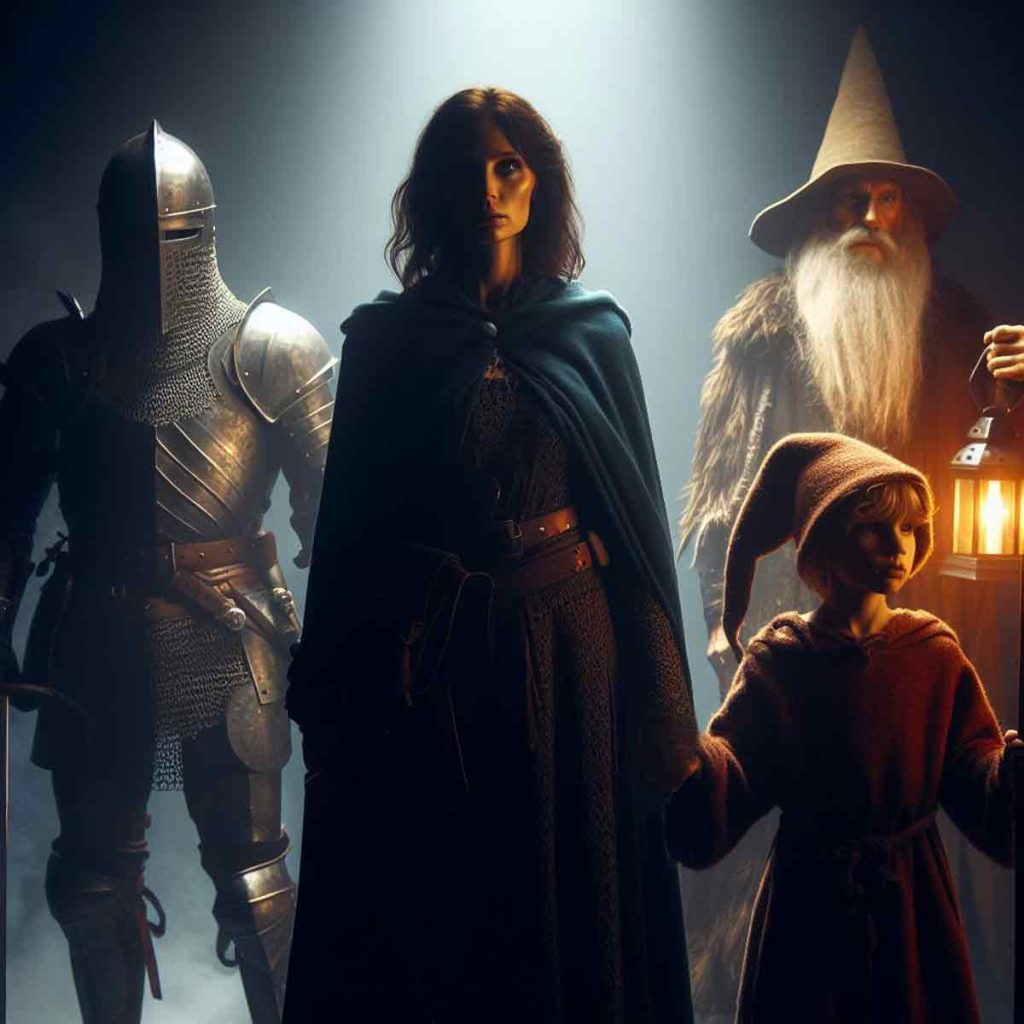
How the 12 Jungian Archetypes and Their Shadows Impact Our Thoughts, Emotions, and Behaviors.
Along with the shadow self, one of Carl Jung’s most famous ideas is the concept of the collective unconscious.
Jung believed that human beings have a set of common thoughts, beliefs, values, and experiences that we all share regardless of our culture or background, and that these common understandings can be found in the unconscious mind of every human being. They are reflected in the stories people tell, the way they dream, and in the themes that are found in art, literature, and religion across cultures.
In this article, we are going to take a look at the archetypes that are found in the collective unconscious and how they relate to shadow work and the hidden self.
As Christians, we recognize that while these archetypes offer interesting insights into human nature, our ultimate understanding of ourselves comes from Scripture. The Bible tells us that we are created in the image of God (Genesis 1:27), and that our hearts are complex and in need of continual examination and transformation by the Holy Spirit.
Want to learn more about the shadow self and shadow work from a Christian perspective? Check out our Shadow Work Library here!
Before we begin: The topic of “shadow work” can be controversial and sometimes carries associations with secular psychology or New Age spirituality. In this article, I want to be clear that my perspective is grounded in a Christian worldview.
When I use the term “shadow,” I am simply referring to the negative emotions, fears, insecurities, and unhealthy patterns of thought or behavior that we often try to hide from others and even from ourselves. It is a metaphor for the parts of our inner world that we struggle with.
I encourage you to measure everything you read here against the truth of God’s Word and to seek pastoral guidance if you are working through deep personal struggles.
What Are Archetypes?
The collective unconscious contains symbols and images, called the 12 archetypes, that every person recognizes and understands. For example, the archetype of the mother is a symbol of nurturing and care and is part of the collective unconscious. This means that people all over the world have a shared understanding of what the mother archetype represents regardless of their culture or language.
Jung believed that these archetypes help us to understand ourselves and the world around us, and they help us to connect to each other in a deep and meaningful way.
Each archetype has its own unique characteristics, strengths, and weaknesses, and they can manifest in various ways in a person’s personality, behavior, and experiences.
Understanding these archetypes can help you gain insight into your motivations, desires, and fears, and can also help you identify patterns in your behavior and relationships that may be holding you back.
The Archetypes and Shadow Work
In shadow work, the archetypes are really important because they can help you identify and confront your hidden self.
For example, someone who identifies with the Caregiver archetype may have a strong desire to help and nurture others, but their shadow self may manifest in a way where they tend to smother or control other people in the name of caregiving.
By acknowledging and being aware of the shadow side of each archetype, you can learn to set healthy boundaries and find more balanced ways to express your authentic self in Christ.
The 12 Archetypes and Their Shadows
Let’s go ahead and take a look at the 12 archetypes and their shadows—the shadow archetypes are the repressed or hidden aspects of our personality that we will often try to hide from ourselves and others.
Understanding these shadow archetypes is essential if you are starting shadow work because they can reveal unconscious patterns and motivations that influence our behavior even though we might be unaware of them.
It is important to note that while Jung acknowledged the potential for negativity within the shadow self, he did not believe it was inherently negative or bad and that it contains both positive and negative aspects.
For example, a person who identifies as a logical and analytical thinker may have a shadow self that contains a creative and artistic side that they have not allowed themselves to express—they may have repressed their creative side due to fear of failure, fear of criticism, or lack of confidence, for example.
Sometimes people might also repress something like their creativity due to outside influences, criticism, and judgment by others—for example, parents who expect their children to conform to certain expectations and norms within the family.
1. Ruler (Shadow: Tyrant)
The Ruler archetype represents leadership, authority, and control. The ruler takes charge, creates order, and works towards creating a sense of security and stability.
The shadow aspect of the Ruler is the Tyrant, who has an unhealthy need for power, oppressing others, and suppressing their own emotions. The Tyrant is driven by a need for power and control, often resorting to manipulation, intimidation, and domination to achieve their goals.
| Positive Aspects | Shadow Aspects |
|---|---|
| Leadership, decisiveness, responsibility | Authoritarianism, control, arrogance, power-hungry |
2. Creator / Artist (Shadow: Critic)
The Creator archetype symbolizes innovation, imagination, and self-expression. They have a unique way of seeing the world and look to bring their ideas to life through artistic expression.
The shadow aspect of the Creator is the Critic, who can manifest as perfectionism, self-doubt, and fear of failure.
| Positive Aspects | Shadow Aspects |
|---|---|
| Creativity, imagination, self-expression | Perfectionism, self-doubt, fear of failure, creative block |
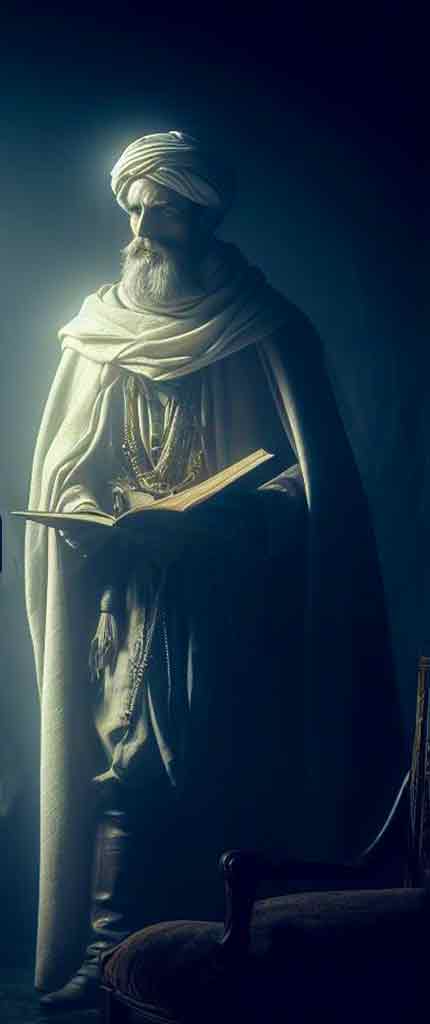
3. Sage (Shadow: Deceiver / Skeptic)
The Sage archetype represents wisdom, intelligence, knowledge, insight, and a deep understanding of the world. They look for truth and meaning in life and offer insight and guidance to others.
The shadow aspect of the Sage is the Skeptic or Deceiver, who can be cynical, arrogant, and closed-minded. Sometimes the Skeptic or Deceiver will use their intelligence to manipulate and deceive others.
| Positive Aspects | Shadow Aspects |
|---|---|
| Wisdom, knowledge, insight | Cynicism, arrogance, rigidity, closed-mindedness |
4. Innocent (Shadow: Victim)
The Innocent archetype symbolizes purity, trust, faith, optimism, and vulnerability. These types often approach life with joy and enthusiasm.
The shadow aspect of the Innocent is the Victim, who feels powerless and helpless in the face of adversity. The Victim is driven by a belief that they have no control over their circumstances. This can manifest as naivety, denial, escapism, and a tendency to blame others for problems.
| Positive Aspects | Shadow Aspects |
|---|---|
| Optimism, trust, faith | Naivety, denial, escapism, blaming others |
5. Explorer (Shadow: Vagabond / Addict)
The Explorer archetype represents adventure, curiosity, and a desire for new experiences. It loves freedom and challenges.
The shadow aspect of the Explorer is the Vagabond or Addict, who can become dependent on the rush of excitement and novelty and often is driven by a desire to escape reality.
| Positive Aspects | Shadow Aspects |
|---|---|
| Independence, curiosity, a thirst for adventure | Restlessness, boredom, recklessness, lack of direction |
6. Rebel (Shadow: Outlaw)
The Rebel archetype symbolizes independence, nonconformity, and a desire to challenge the status quo. They question authority and societal norms, fighting for change and individuality.
The shadow aspect of the Rebel is the Outlaw, who breaks the rules and laws of society without regard for the consequences. The Outlaw is driven by a desire for power and control, often resulting in destructive and harmful behavior.
| Positive Aspects | Shadow Aspects |
|---|---|
| Nonconformity, individuality, seeking change | Destructiveness, negativity, bitterness, rebellion without a cause |
7. Hero (Shadow: Fool)
The Hero archetype represents courage, strength, and selflessness. They fight for those in need and they fight for what is right.
The shadow aspect of the Hero is the Fool, who takes unnecessary risks and acts impulsively without considering the consequences. The Fool is driven by a desire for excitement and a belief that they are invincible.
| Positive Aspects | Shadow Aspects |
|---|---|
| Courage, bravery, selflessness | Recklessness, pride, a need for validation, sacrificing others |
8. Wizard / Mystic (Shadow: Manipulator)
The Wizard archetype symbolizes intuition, wisdom, insight, and mastery of the unknown, and they want to use their knowledge for positive change in the world.
The shadow aspect of the Wizard is the Manipulator, who uses their cunning and intelligence to manipulate and deceive others. The Manipulator is driven by a desire for power and control, often resulting in deceptive and manipulative behavior.
| Positive Aspects | Shadow Aspects |
|---|---|
| Transformation, intuition, access to hidden knowledge | Manipulation, deceit, a desire for power |
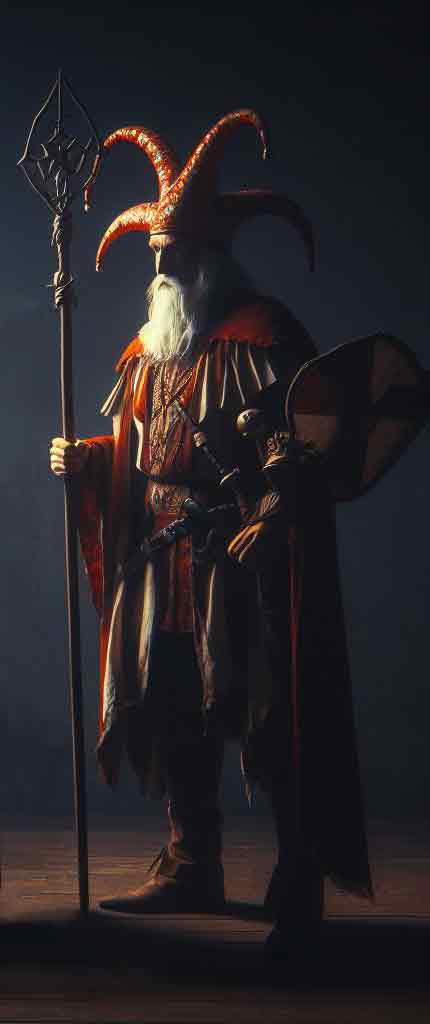
9. Jester (Shadow: Clown / Saboteur)
The Jester archetype represents humor, wit, and a desire to make others laugh. They bring lightheartedness and playfulness to life. They challenge conformity and social norms using humor and unconventional behavior.
The shadow aspect of the Jester is the Clown, who uses humor to mask their own pain and insecurities or to hurt others. The Clown is driven by a need for attention and validation, often resulting in inappropriate or offensive behavior.
| Positive Aspects | Shadow Aspects |
|---|---|
| Playfulness, humor, a lighthearted approach | Irresponsibility, disrespect, insensitivity |
10. Everyman (Shadow: Nobody / Conformist)
The Everyman archetype symbolizes relatability, approachability, and a desire to connect with others and belong in the world.
The shadow aspect of the Everyman is the Nobody or Conformist, who feels invisible and insignificant. The Conformist will often lack ambition, have a fear of standing out or taking risks, and will often have feelings of inadequacy and low self-esteem.
| Positive Aspects | Shadow Aspects |
|---|---|
| Ordinariness, relatability, belonging | Conformity, lack of ambition, fear of standing out, fear of taking risks |
11. Lover (Shadow: Possessive)
The Lover archetype represents passion, intimacy, and a desire for connection. They want to build strong and meaningful relationships with deep emotional connections.
The shadow aspect of the Lover is the Possessive, who uses their charm and charisma to manipulate and exploit others for their own desires. The Possessive is driven by a desire for power and control, often resulting in harmful and exploitative behavior such as possessiveness, codependency, jealousy, and sabotaging healthy relationships.
| Positive Aspects | Shadow Aspects |
|---|---|
| Passion, connection, intimacy | Possessiveness, codependency, jealousy, smothering others |
12. Caregiver / Mother (Shadow: Martyr)
The Caregiver archetype symbolizes nurturing, compassion, generosity, and a desire to help others. They offer support, guidance, and protection to those who need it.
The shadow aspect of the Caregiver is the Martyr, who sacrifices their own needs and desires for the sake of others. The Martyr is driven by a desire to be needed and appreciated, often resulting in burnout, resentment, enabling behavior, and martyrdom.
| Positive Aspects | Shadow Aspects |
|---|---|
| Nurturing, compassion, selflessness | Enabling, martyrdom, smothering others, neglecting self-care |
Examples of How the Archetypes Can Manifest as the Shadow Self
Often when people encounter their shadow self, it can be tempting to push it away or deny it. However, by acknowledging and working with it, you can make positive changes in your life and use your shadow to your advantage.
For example, if someone feels that they are the Caregiver archetype, they may have a strong desire to nurture and care for others. However, their shadow may also contain qualities such as resentment or anger towards those they care for, or a fear of being taken advantage of. By acknowledging these qualities, they can become more aware and start to develop healthy boundaries in their relationships.
Another example could be someone who identifies with the Hero archetype. This person might have a very strong desire to fight for what they believe in and protect those they care about. However, their shadow might also have qualities like aggression or violence which can be harmful to themselves and others. By acknowledging and working with their shadow, they can learn to channel their aggression in healthy ways such as through physical exercise or effective communication.
In both cases, the key is to acknowledge and accept the qualities that are present in the shadow, rather than trying to deny or push them away. By working with these qualities, we can develop a more integrated and balanced personality, and become more whole and complete individuals.
A Christian Reflection on Archetypes
As Christians, we can appreciate the insights that archetypes offer while recognizing that our ultimate identity is found in Christ, not in any psychological framework.
“Therefore, if anyone is in Christ, the new creation has come: The old has gone, the new is here!” — 2 Corinthians 5:17
Our goal is not to become a perfect archetype, but to become more like Christ—the perfect embodiment of all that is good, true, and beautiful.
To explore practical ways to work with your shadow self, check out our guide on Shadow Work Exercises and Tips.
Conclusion
Understanding the 12 archetypes and their shadows can help us recognize and confront our own unconscious patterns and motivations. By acknowledging our shadow aspects, we can become more whole and authentic people—and ultimately, more like Christ.